

Autism and ADHD have received increasing attention in the media and public debate in recent years. Many people are talking about neurodivergent people and discussing policies and decisions that affect our lives. However, autistic people are not always given the opportunity to speak for themselves or influence the decisions that affect them.
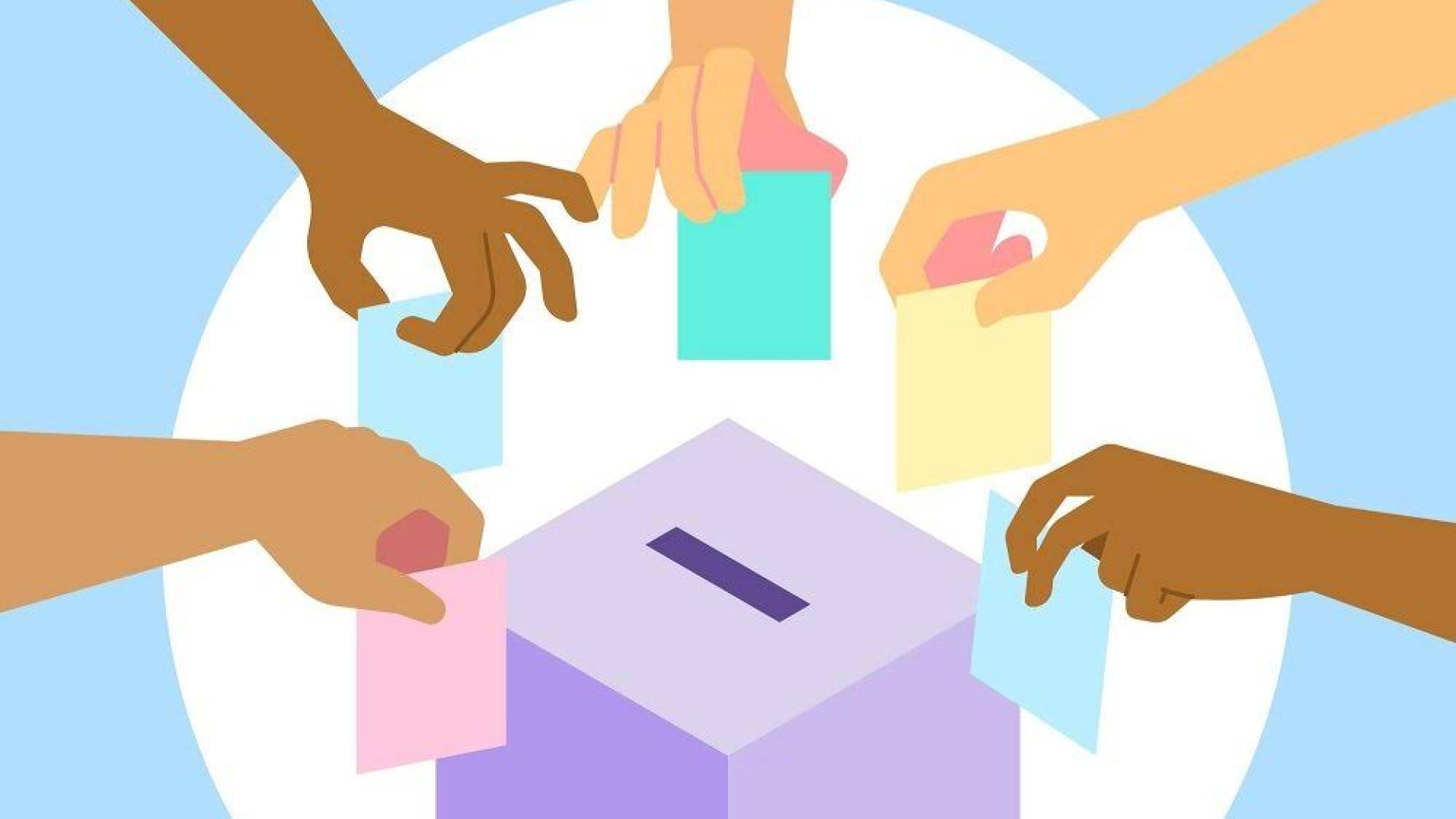
The democratic process—including stading as a candidate, voting in elections, engaging with political representatives, responding to consultations, campaigning, and participating in public discussions—provides an important way for autistic people to have their voices heard. Yet many autistic people may face barriers that make participation more difficult, including challenges accessing information, understanding political processes, navigating polling stations, communicating with elected representatives, or feeling represented by political institutions.
We are running a surwey about autistic people's engagement with the democratic process.

 www.surveymonkey.com
This survey aims to understand autistic people's experiences of voting and participating in democracy. We want to hear about both the barriers you have faced and the things that have helped you participate. Your experiences will help us identify what changes are needed to make democracy more accessible, inclusive, and representative of autistic people.
The survey is open to autistic adults, whether formally diagnosed, self-identified, or currently seeking assessment and their allies. Participation is voluntary, and all responses will be treated confidentially and reported anonymously.
Thank you for helping ensure that autistic voices are heard and that autistic people can play a full and equal role in shaping the society in which we live.
The democratic process—including stading as a candidate, voting in elections, engaging with political representatives, responding to consultations, campaigning, and participating in public discussions—provides an important way for autistic people to have their voices heard. Yet many autistic people may face barriers that make participation more difficult, including challenges accessing information, understanding political processes, navigating polling stations, communicating with elected representatives, or feeling represented by political institutions.
We are running a surwey about autistic people's engagement with the democratic process.
Understanding voting barriers for Autistic People
Take this survey powered by surveymonkey.com. Create your own surveys for free.
This survey aims to understand autistic people's experiences of voting and participating in democracy. We want to hear about both the barriers you have faced and the things that have helped you participate. Your experiences will help us identify what changes are needed to make democracy more accessible, inclusive, and representative of autistic people.
The survey is open to autistic adults, whether formally diagnosed, self-identified, or currently seeking assessment and their allies. Participation is voluntary, and all responses will be treated confidentially and reported anonymously.
Thank you for helping ensure that autistic voices are heard and that autistic people can play a full and equal role in shaping the society in which we live.

 Thanks for conducting this survey...


